
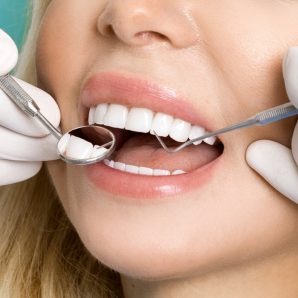
Most people don’t think about their teeth until something hurts, and by then a small, easily managed issue has often had months or years to quietly develop into something bigger. Here at Dental Haus, we see this pattern constantly, and it’s exactly why we talk to patients about prevention as much as we talk about treatment.
Why Most Dental Problems Develop Silently
Tooth decay and gum disease rarely announce themselves early. A small area of decay can sit beneath the surface of a tooth without causing any noticeable pain, and early-stage gum disease often shows up as nothing more than slightly puffy or bleeding gums — something many people brush off rather than flag as a warning sign. By the time discomfort or visible damage prompts a visit, the underlying problem has usually had a long head start.
This is the core challenge with oral health: the conditions that cause the most damage over time are often the ones that hurt the least in their early stages.
Prevention vs. Treatment: Understanding the Difference
Preventive dentistry is about maintaining a healthy mouth before problems develop, through regular check-ups, professional cleans and good daily habits designed to catch small issues before they become significant ones. Reactive treatment, by contrast, responds to problems that have already taken hold, which generally means more extensive, more invasive and more costly intervention than would have been needed if the issue had been caught earlier.
Neither approach is inherently wrong — reactive treatment is sometimes exactly what’s needed. But relying on it as your only approach to oral health means consistently dealing with bigger problems than necessary, simply because smaller ones went unnoticed for too long.
The Hidden Costs of Reactive Dentistry
The cost of waiting isn’t just financial, though that’s often part of it. Reactive treatment tends to involve more time in the chair, longer recovery and a higher chance of complications compared with addressing the same issue early. A cavity caught early might need a simple filling; left untreated, it can progress to needing root canal treatment or even extraction — a significantly bigger intervention for what started as a small, manageable problem.
There’s also a compounding effect. Untreated gum disease doesn’t just affect gums. In fact, it can contribute to broader oral health decline over time, affecting the stability of surrounding teeth. Waiting doesn’t just risk one problem getting worse; it risks that problem contributing to others.
Everyday Habits That Protect Your Smile
A solid oral hygiene routine remains the foundation of prevention, and it doesn’t need to be complicated. Brushing twice daily, flossing to remove plaque between teeth where a brush can’t reach and being mindful of sugary or acidic food and drink all play a meaningful role in tooth decay prevention and gum disease prevention over time.
Consistency matters more than intensity here. A simple routine followed every day tends to protect your smile far more effectively than an occasional, more thorough effort squeezed in only when you remember.
The Role of Regular Check-Ups and Professional Cleans
Even an excellent home routine can’t catch everything a professional check-up can. Regular visits allow early signs of decay or gum disease to be identified well before they’d otherwise become noticeable, and professional cleans remove built-up plaque and tartar that daily brushing and flossing simply can’t fully manage.
This is really where prevention does its best work — not replacing your daily habits, but catching the small things your daily routine can’t before they turn into something that requires more significant restorative treatment.
When Damage Has Already Occurred: Restorative Options Like Veneers
Even with genuinely good habits, damage sometimes still happens — a chip from an accident, wear that’s built up over years or discolouration that hasn’t responded to regular care. This is where restorative options come in, not as a substitute for prevention, but as a solution for exactly the kind of damage prevention alone can’t undo.
For patients who already have chips, wear or discolouration despite good habits, dental veneers offer a durable way to restore both function and appearance. They’re not a preventive measure — they’re a considered response to damage that’s already occurred, giving patients a way to restore their smile once an issue is beyond what daily care and regular check-ups can address on their own.
Building a Long-Term Oral Health Plan
The most effective approach to oral health treats prevention and restoration as complementary, not competing, strategies. A long-term plan means genuinely committing to daily habits and regular check-ups as the foundation, while knowing that restorative treatment remains available for damage that occurs despite your best efforts. If you’re searching for dental veneers in Palm Beach or considering restorative work for existing damage, the same principle applies: address what’s already happened, then refocus on the preventive habits that reduce the chance of needing similar treatment again.
This is also where families teaching children oral hygiene habits, or patients with a history of cavities or gum issues, benefit most from a plan tailored to their specific risk factors rather than a generic routine.
Book a Check-Up With Dental Haus
Waiting for a problem to make itself known is the most expensive way to manage your oral health, both in terms of cost and the complexity of eventual treatment. The best time to book a check-up is before a small issue becomes a bigger problem, and at Dental Haus, we’re here to support that long-term approach, from daily habit guidance through to restorative treatment when it’s genuinely needed. Get in touch with our team to book your next check-up and take the reactive guesswork out of your oral health.
Frequently Asked Questions
How often should I get a dental check-up?
Most patients benefit from a check-up roughly twice a year, though your dentist can recommend a schedule suited to your specific oral health history and risk factors.
Can good oral hygiene alone prevent all dental problems?
Good daily habits significantly reduce risk, but they can’t catch everything — regular professional check-ups and cleans identify issues that a home routine alone can miss.
Are veneers a form of preventive care?
No. Veneers are a restorative option, used to address existing chips, wear or discolouration, rather than to prevent future dental problems.
What are the early signs of gum disease?
Puffy, red or bleeding gums are common early signs, and they’re worth having checked promptly rather than dismissed as minor irritation.
Is it more expensive to fix a dental problem later rather than early?
Generally yes. Issues caught early typically require simpler, less invasive treatment, while the same problem left untreated often progresses to more extensive and costly restorative work.