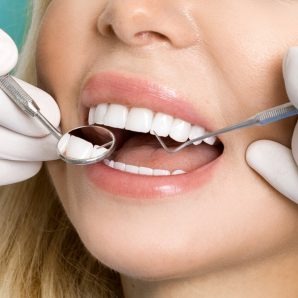
Professional teeth whitening can brighten the appearance of stained or discoloured teeth, but the result is not permanent. What happens afterwards matters just as much as the initial treatment when it comes to maintaining a brighter smile over time.
For people considering in-chair teeth whitening in Palm Beach, it helps to think of whitening as something that may require ongoing care rather than a once-only treatment. Diet, drinks, smoking, oral hygiene and natural changes to the teeth can all influence how quickly staining returns. A sensible maintenance routine can help extend the result without relying on frequent or overly aggressive whitening.
Why Do Whitening Results Fade Over Time?
Whitening changes the appearance of natural tooth structure, but it does not stop teeth from being exposed to new staining.
Coffee, tea, red wine and strongly coloured foods can gradually contribute to surface discolouration. Smoking can also stain teeth, while plaque and tartar build-up may make the smile appear duller.
Age plays a role as well. The outer enamel layer can become thinner over time, allowing more of the naturally yellow-toned dentine underneath to show through.
The rate at which whitening results change will therefore differ from person to person.
Everyday Habits That Can Affect Tooth Colour
Maintaining whitening results does not require avoiding every food or drink that can stain teeth. It is more about recognising which habits contribute to discolouration and reducing repeated exposure where practical.
Common contributors include:
- Coffee and tea
- Red wine
- Darkly coloured foods
- Smoking
- Inconsistent brushing and flossing
- Plaque and tartar build-up
Simple habits such as rinsing with water after dark drinks, maintaining regular brushing and cleaning between the teeth can form part of a longer-term maintenance routine.
Does Oral Hygiene Affect How Long Whitening Lasts?
Good oral hygiene will not permanently preserve a particular shade, but it can help limit the plaque and surface deposits that make teeth look less bright.
Regular brushing with a soft toothbrush, cleaning between the teeth and attending routine dental appointments all contribute to maintaining oral health. Professional cleans can also remove plaque, tartar and some external staining that brushing at home cannot address as effectively.
This distinction matters because not every change in colour necessarily means another whitening treatment is required. Sometimes accumulated surface staining or deposits may be contributing to the change in appearance.
Regular dental reviews also provide an opportunity to check that the teeth and gums remain healthy before further cosmetic treatment is considered.
When Might a Whitening Touch-Up Be Appropriate?
Some people choose occasional touch-up treatments when they notice the result gradually fading.
How often this is appropriate depends on factors such as the original treatment, staining habits, tooth sensitivity and overall dental health. There is no universal maintenance timetable that suits everyone.
A dental professional can assess whether another treatment is appropriate or whether a professionally recommended at-home system may be suitable.
This can provide a more controlled approach than repeatedly purchasing different products and using them without professional advice.
Consistency matters more than intensity here. A simple routine followed every day tends to protect your smile far more effectively than an occasional, more thorough effort squeezed in only when you remember.
Where Do Regular Dental Cleans Fit In?
Routine dental cleaning and whitening serve different purposes, but they can complement each other.
A professional clean focuses on oral health by removing plaque, tartar and surface deposits. This can also remove some external staining that may make teeth appear duller.
For someone maintaining a previous whitening result, regular dental visits can therefore help keep the teeth free from deposits that affect their appearance while also checking for decay, gum problems or other oral health concerns.
Whitening should not be used as a substitute for routine dental care.
What Role Does Fluoride Play After Teeth Whitening?
Fluoride is primarily used to support dental health rather than to preserve a particular whitening shade.
Depending on the individual, a dentist may recommend fluoride-containing products as part of normal oral care or to help manage sensitivity after whitening.
Whitening can temporarily cause tooth sensitivity in some people, so maintenance should focus on comfort and oral health as well as appearance. If sensitivity is significant or persistent, it is worth having the teeth assessed before using further whitening products.
Why More Whitening Is Not Always Better
It can be tempting to repeat whitening whenever the colour begins to change, particularly with the large number of products available online and over the counter, but more frequent treatment does not automatically produce a better long-term result.
Frequent or unsupervised use of whitening products can increase the risk of sensitivity or irritation, while some DIY approaches may also be abrasive or acidic. The aim of maintenance should be to preserve the result sensibly, not continually chase a lighter shade.
Practical Ways to Extend Your Whitening Result
A few straightforward habits can help reduce new staining and support oral health after treatment:
- Brush twice daily using a soft toothbrush
- Clean between the teeth regularly
- Rinse with water after coffee, tea or other dark drinks
- Avoid or reduce smoking
- Attend regular dental reviews and professional cleans
- Follow any aftercare instructions provided after treatment
- Use only professionally recommended whitening products for touch-ups
- Speak to a dentist if sensitivity develops or persists
These habits cannot guarantee that a particular shade will last for a set period, but they can help manage some of the factors that contribute to staining.
Maintain Your Whitening Results With Dental Haus
At Dental Haus, we provide professional in-chair teeth whitening in Palm Beach alongside general dental care and professional cleans.
We also offer Pola take-home whitening kits for suitable patients who want a professionally recommended option they can use at home. We can assess your teeth before treatment, discuss the result you are hoping to achieve and recommend an appropriate maintenance approach afterwards.
If your previous whitening result has started to fade, we can also check whether a touch-up, professional clean or another option is suitable for you.
Contact Dental Haus in Palm Beach to arrange a consultation and discuss how to maintain your whitening result safely over the longer term.
Frequently Asked Questions
How long do teeth whitening results last?
Whitening results vary because diet, drinks, smoking, oral hygiene and natural changes in the teeth all influence colour over time. We can assess your individual situation and recommend a maintenance approach rather than relying on a fixed timeline.
How often can I have an in-chair whitening treatment?
There is no single interval that is appropriate for everyone. We consider your dental health, previous treatment, sensitivity and current tooth colour before recommending whether another in-chair treatment or a different maintenance option is suitable.
Can I use an at-home whitening kit after professional treatment?
Professionally recommended at-home whitening kits can be an option for some patients who want to maintain their result. We can advise whether an at-home system is appropriate and explain how to use it safely.
Will a dental clean make my teeth whiter again?
A professional clean can remove plaque, tartar and some surface staining, which may improve the overall appearance of the teeth. It does not produce the same change in natural tooth colour as a whitening treatment, so we can assess which option is more appropriate.
What should I do if my teeth become sensitive after whitening?
Temporary sensitivity can occur after teeth whitening. We recommend letting us know if you experience sensitivity, particularly if it is significant or does not settle, so we can assess the teeth and advise on suitable care.