Most people have experienced that moment of mild concern — a twinge of sensitivity when sipping something cold, a small bleed after brushing, or a slight ache that comes and goes. The easy response is to wait and see. Often, that’s exactly what people do, and in many cases that delay is what turns a straightforward dental checkup into a much more involved appointment.
Oral health problems have a tendency to develop quietly. The early stages of tooth decay, gum disease, and infection rarely announce themselves with dramatic symptoms. By the time something feels serious enough to act on, the underlying issue has often had weeks, months, or longer to take hold. Understanding how minor concerns progress, and what can interrupt that progression, is one of the more useful things anyone can know about their own health.
A Small Cavity Left Alone Is Rarely Small For Long
Tooth decay begins with bacteria in the mouth producing acid that gradually erodes enamel, the hard outer layer of the tooth. In its earliest stages, this process creates a small cavity that a dentist can address with a straightforward filling. The procedure is quick, cost-effective, and preserves the bulk of the natural tooth structure.
Left untreated, however, decay doesn’t stay contained. It moves inward through the enamel and into the dentine beneath, which is softer and more vulnerable. From there, it can reach the pulp — the inner chamber containing nerves and blood vessels — where it causes significant pain and requires root canal treatment to resolve. What was once a minor filling becomes a considerably more involved procedure, simply because of the passing of time.
Why Bleeding Gums Should Never Be Ignored
Noticing a little blood after brushing is common enough that many people treat it as normal. It isn’t. Bleeding gums are typically one of the earliest signs of gingivitis — the initial, reversible stage of gum disease caused by plaque build-up along the gum line. At this point, a professional clean and improved daily oral hygiene can bring the gums back to health without lasting damage. The concern arises when gingivitis goes unaddressed and advances into periodontitis, a more serious form of gum disease that affects the bone and tissue supporting the teeth.
Key markers of progression include:
- Gums pulling away from the teeth, creating pockets where bacteria accumulate
- Persistent bad breath that doesn’t respond to regular brushing
- Teeth that feel loose or have shifted in position
- Increased sensitivity as the root surfaces become exposed
Once periodontitis sets in, management becomes more involved and the damage to supporting structures can be irreversible.
Tooth Sensitivity Is Often A Warning, Not Just A Nuisance
A sharp sensation when eating something cold or sweet tends to get dismissed as a minor irritation. Occasional sensitivity can be entirely harmless, but when it’s consistent or worsening, it’s often a signal that something has changed in the tooth. Enamel erosion caused by acidic foods and drinks, grinding, or brushing too hard exposes the dentine beneath, which connects directly to the tooth’s nerve.
Similarly, a small crack in a tooth can cause intermittent sensitivity that’s easy to overlook until the crack deepens. Sensitivity can also indicate the early stages of decay or receding gums. In all of these cases, the underlying cause is something a dentist can assess and address early, before the sensitivity progresses to persistent pain or structural damage that requires more complex treatment.
Plaque Build-Up Does More Damage Than Most People Realise
Plaque is the soft, sticky film that forms on teeth throughout the day as bacteria interact with food particles and saliva. It’s removed effectively with regular brushing and flossing, but only if the technique is thorough and consistent. Plaque that isn’t removed hardens into tartar within 24 to 72 hours, and once it does, it can no longer be cleared with a toothbrush at home.
Tartar accumulates along and beneath the gum line, creating an environment where bacteria thrive and gum inflammation develops. Over time, this contributes directly to both decay and gum disease. Professional scale and clean appointments are designed to remove tartar from areas that daily brushing can’t reach, which is why they remain a core part of preventative dental care regardless of how well a person brushes at home.
What Happens When A Dental Infection Goes Untreated?
A dental abscess — a pocket of infection at the root of a tooth or in the surrounding gum tissue — is one of the more serious outcomes of untreated decay or injury. The pain associated with an abscess is typically significant, but in some cases the infection progresses with only mild or intermittent discomfort, particularly if the nerve has been damaged. Left untreated, a dental infection does not resolve on its own. It can spread to the surrounding bone and soft tissue, and in serious cases, extend beyond the jaw.
Treatment at this stage typically involves one of the following:
- Root canal therapy to remove infected pulp tissue and seal the tooth
- Extraction of the tooth if it can no longer be saved
- Antibiotics to manage the spread of infection, often alongside further dental treatment
Early intervention, by contrast, is far simpler and preserves more of the natural tooth structure.
The Link Between Oral Health And Your Overall Wellbeing
The mouth doesn’t function in isolation from the rest of the body, and the research connecting poor oral health to broader systemic conditions has grown considerably over recent years. Chronic gum disease, in particular, has been associated with increased inflammatory markers in the body that are also linked to cardiovascular conditions, type 2 diabetes, and complications during pregnancy. While the relationship is complex and still being studied, the underlying mechanism of chronic bacterial inflammation entering the bloodstream is well established.
This doesn’t mean that gum disease causes heart disease directly, but it does mean that the health of the mouth is a legitimate consideration in overall health management. Treating oral health as a standalone concern, separate from general wellbeing, underestimates how interconnected these systems are.
How Regular Check-Ups Catch Problems Before They Escalate
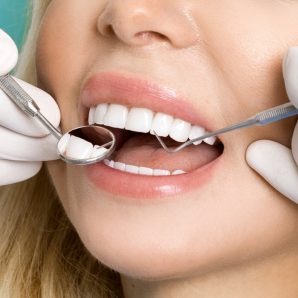
Dental check-ups serve a different purpose to treatment appointments. Rather than addressing a problem that’s already causing discomfort, a check-up is designed to identify what might become a problem and to deal with it at a stage when the solution is still straightforward. During a standard examination, a dentist will assess tooth and gum health, check for early signs of decay, examine the soft tissues of the mouth, and may take X-rays to see what isn’t visible to the naked eye.
For many patients, this is where small cavities are caught before they reach the dentine, where early gum inflammation is identified before it becomes periodontitis, and where grinding or bite issues are spotted before they cause structural damage to the teeth. The frequency of check-ups varies depending on individual risk factors, but the principle holds regardless — earlier detection consistently means simpler, less costly treatment.
Daily Habits That Slow The Progression Of Oral Disease
The work done between dental appointments matters as much as the appointments themselves. Good daily oral hygiene doesn’t prevent every problem, but it significantly slows the conditions that allow decay and gum disease to develop.
The habits that make the most consistent difference include:
- Brushing for two minutes twice daily using a fluoride toothpaste, with attention to the gum line
- Flossing or using interdental brushes to clean between teeth where a toothbrush can’t reach
- Limiting the frequency of acidic and sugary food and drinks, which fuel bacterial activity
- Staying well hydrated, as saliva plays an active role in neutralising acids and remineralising enamel
- Replacing a toothbrush every three to four months, or sooner if the bristles are visibly worn
None of these habits is complicated, but consistency is what gives them their value. A thorough routine maintained over time is one of the most practical forms of preventative care available.
Book a Check-Up With Dental Haus
Here at Dental Haus, we work with patients at all stages, whether you’re overdue for a check-up, managing a concern that’s been building for a while, or simply looking to stay ahead of potential problems before they develop. Palm Beach and the surrounding northern Gold Coast area have a growing, active community, and we understand that dental appointments often get pushed down the priority list when life is busy. That’s exactly the pattern this article is about, and it’s one we see regularly. The sooner a concern is looked at, the more options there are and the less involved the treatment tends to be. If something has been on your mind, or if it’s simply been a while, reach out to our team to book a time that suits you.