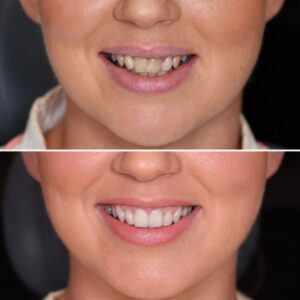
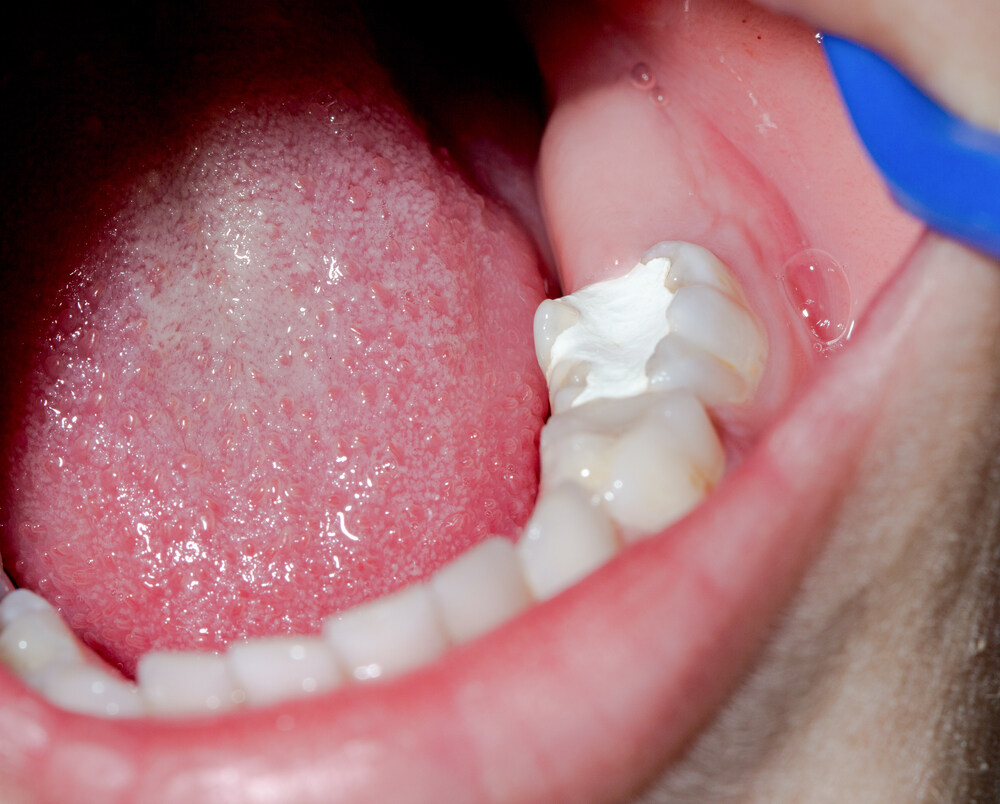
It often starts subtly. A slight twinge when sipping a hot coffee. A rough edge you feel with your tongue. A shadow under a tooth that wasn’t there before. For many people with existing restorations, these small changes raise an important question about tooth coloured fillings in Palm Beach and whether their current fillings are still doing their job. Dental fillings are designed to restore strength and protect teeth after decay or minor damage. They are durable, but not permanent. Over time, everyday chewing forces, temperature changes and natural wear can compromise even the best restorations. Knowing when to replace dental fillings is key to preventing larger problems and maintaining long-term oral health. Understanding the signs, the risks and the role of professional assessment helps you make informed decisions before discomfort turns into something more serious.
Fillings Are Strong But Not Indestructible
Even modern materials have a lifespan. Tooth coloured fillings are designed to bond securely to natural tooth structure, but constant pressure and exposure to food, drink and bacteria take their toll.
In daily life, fillings endure:
- Repeated chewing forces
- Expansion & contraction from hot & cold foods
- Gradual wear along biting surfaces
- Exposure to plaque & acids
Over time, this can lead to tiny gaps between the filling and tooth. These gaps may not be visible, but they allow bacteria to enter. A compromised seal increases the risk of decay beneath the restoration. Regular check-ups allow a dentist to monitor the integrity of fillings and determine whether they are still functioning as intended.
Sensitivity That Lingers Or Returns
Occasional sensitivity after a new filling can be normal. However, sensitivity that develops years later often signals something different.
You might notice:
- Sharp discomfort when biting down
- Lingering sensitivity to cold or sweet foods
- Sudden pain without an obvious cause
- Tenderness around a specific tooth
These symptoms may indicate that the filling has cracked, shifted or loosened. In some cases, decay may have developed underneath. Ignoring sensitivity can allow the problem to progress deeper into the tooth, potentially leading to infection or the need for more complex treatment. Early replacement helps preserve healthy tooth structure and maintain comfort.
Visible Wear & Surface Changes
Not all problems cause pain. Some of the clearest signs that fillings need attention are visual.
Changes may include:
- Dark lines around the edge of the filling
- Chips or small fractures
- Flattened biting surfaces
- Rough or uneven texture
Tooth coloured fillings are designed to blend naturally with surrounding enamel. If the material begins to stain, erode or separate from the tooth, the restoration may no longer provide a reliable seal. A professional assessment can determine whether polishing, repair or full replacement is the best option.
Cracks & Fractures Put Teeth At Risk
A cracked filling does more than affect appearance. It can weaken the structural support of the entire tooth.
When a filling fractures:
- Bacteria can enter exposed areas
- The remaining tooth may become unstable
- Chewing forces may worsen the damage
- Pain may increase over time
In some cases, patients only become aware of a crack when part of the filling breaks away. Acting quickly reduces the likelihood of further fracture to the surrounding enamel. Replacing the damaged restoration restores strength and prevents more extensive procedures later.
Decay Can Form Beneath Existing Fillings
One common misconception is that once a tooth has been filled, it cannot develop decay again. In reality, secondary decay is a leading reason fillings are replaced.
Contributing factors include:
- Poor oral hygiene around restoration edges
- Wear that creates microscopic gaps
- Dietary sugars feeding bacteria
- Infrequent dental examinations
Decay beneath a filling is not always visible to the naked eye. Dental imaging and clinical examination help detect early signs before they compromise the entire tooth. If caught promptly, replacing the filling may be straightforward. If left untreated, the decay may spread, potentially requiring root canal therapy or a crown.
How Many Times Can A Filling Be Replaced
A common concern patients express is how many times can a filling be replaced without harming the tooth. Each time a filling is removed, a small amount of additional tooth structure may need to be reshaped to ensure a secure bond. While replacements are routine, repeated treatment over many years can gradually reduce natural enamel.
Dentists consider several factors before recommending another filling:
- The size & location of the existing restoration
- The amount of remaining healthy tooth
- Evidence of cracks or structural weakness
- Overall oral health & bite alignment
In some cases, transitioning from a large filling to a crown may provide better long-term protection. The decision is based on preserving as much healthy structure as possible while ensuring durability.
How To Know If You Need A Filling Replaced
Recognising early warning signs makes treatment simpler and more predictable.
Indicators may include:
- Food frequently getting stuck around a filled tooth
- A change in how your bite feels
- Persistent bad taste near a specific area
- Gum irritation adjacent to the filling
If you are unsure how to know if you need a filling replaced, a comprehensive examination provides clarity. A dentist can assess margins, test for sensitivity, evaluate bite pressure and use imaging to check for hidden decay. Professional evaluation removes guesswork and allows tailored recommendations based on your specific situation.
The Value Of Professional Assessment & Modern Materials
Replacing an ageing filling is not just about removing old material. It is about restoring strength, comfort and function using techniques designed for longevity.
Modern tooth coloured fillings in Palm Beach are crafted to:
- Blend seamlessly with natural enamel
- Bond securely to tooth structure
- Withstand daily chewing forces
- Support conservative treatment approaches
An experienced Palm Beach dentist on the Gold Coast understands how to evaluate existing restorations and determine whether repair, replacement or alternative treatment is appropriate. Careful placement, attention to bite alignment and precise finishing all contribute to a comfortable and durable result.
Small Issues Today Prevent Larger Problems Tomorrow
Delaying treatment may seem convenient when symptoms are mild, but minor defects can escalate quickly.
Prompt replacement helps to:
- Prevent further tooth fracture
- Reduce the risk of infection
- Preserve natural structure
- Avoid more complex procedures
Fillings in Palm Beach are designed to protect teeth, but like any restoration, they require monitoring. Routine dental visits allow small issues to be identified before they affect surrounding teeth or overall oral health. Addressing concerns early typically results in simpler, more cost-effective care.
Take The Next Step Towards Stronger, Healthier Teeth
We at Dental Haus understand how important it is to feel confident in your smile and comfortable when you eat, speak and laugh. If you have existing fillings and have noticed sensitivity, visible wear or changes in your bite, it may be time for a professional assessment. Our team provides personalised evaluations and high-quality tooth coloured fillings in Palm Beach, helping patients across Palm Beach on the Gold Coast maintain strong, healthy teeth. If you are unsure whether a filling needs replacement or want expert guidance from a trusted dentist on the Gold Coast, contact us to book an appointment. Early attention can protect your smile and prevent more extensive treatment down the track.